Services
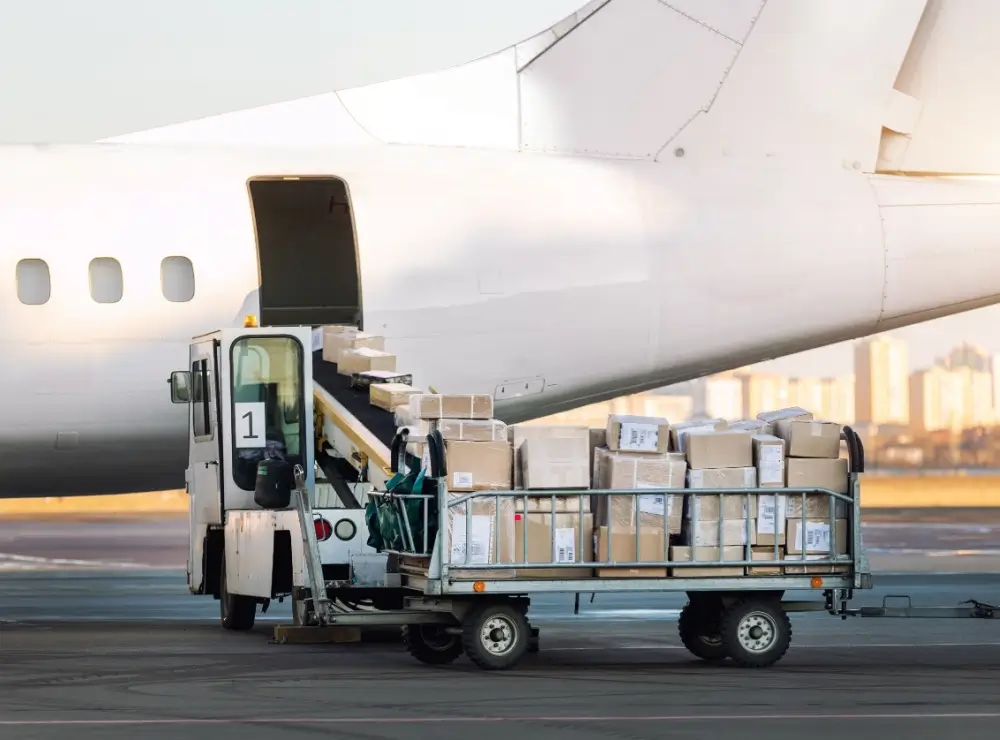
AIR FREIGHT
Air freight services refer to the transportation of goods via aircraft, also known as air cargo. This method is a fast, efficient, and highly secure way to ship items, particularly high-value and time-sensitive goods like electronics, pharmaceuticals, and perishables, over domestic and international distances. While more expensive than other shipping methods, air freight offers significantly reduced transit times, with delivery possible in hours or days, making it a crucial component of modern global logistics and supply chains.
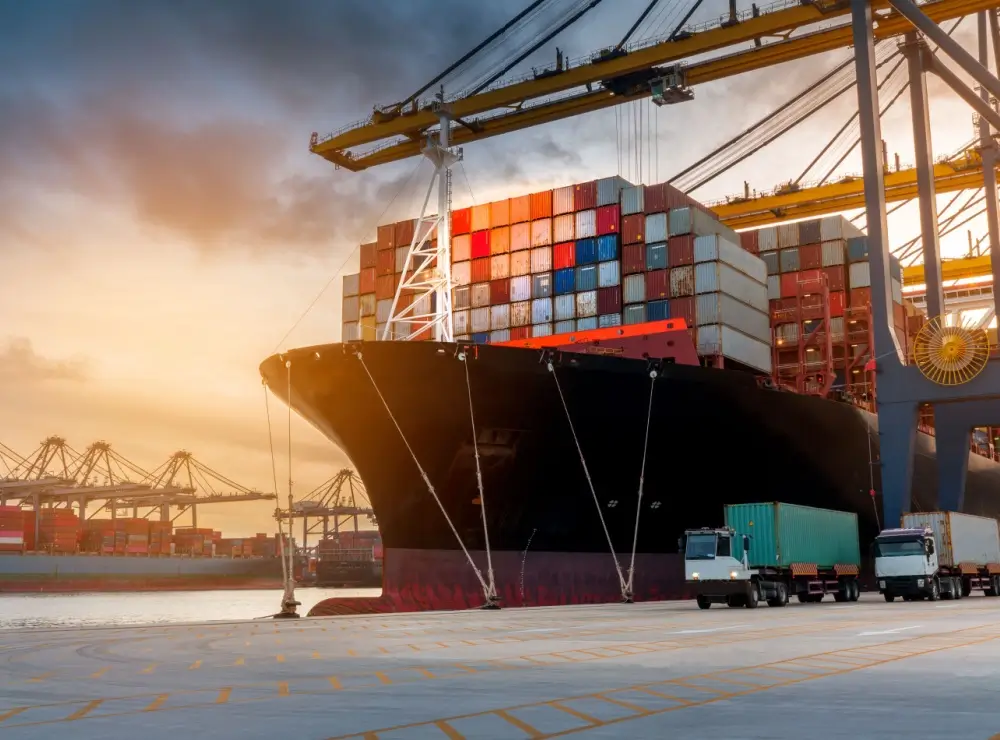
SEA FREIGHT
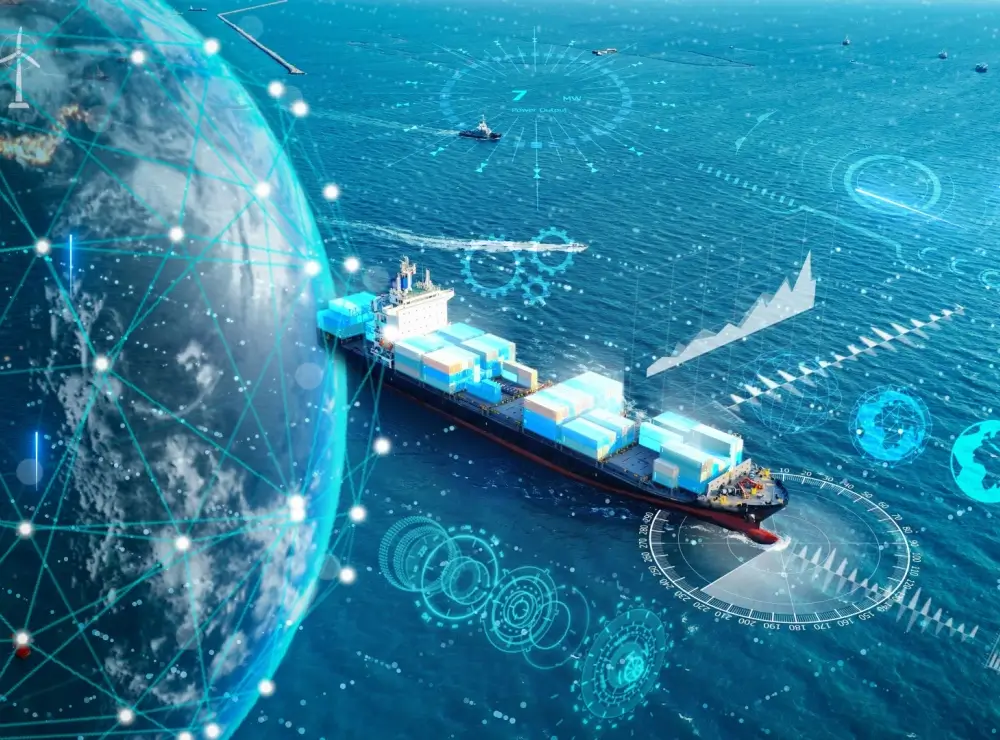
Sea freight services, also known as ocean freight services, involve transporting goods via ocean vessels for global trade, offering cost-effectiveness and large capacity for international shipping needs. Over 90% of all the world’s trade is carried by ocean transportation. These services are managed by freight forwarders, who organize logistics like container loading, customs clearance, and delivery, providing solutions for Full Container Loads (FCL) or Less-than-Container Loads (LCL). Key aspects include tracking systems, specialized handling for temperature-controlled or hazardous materials, and handling documentation and compliance.
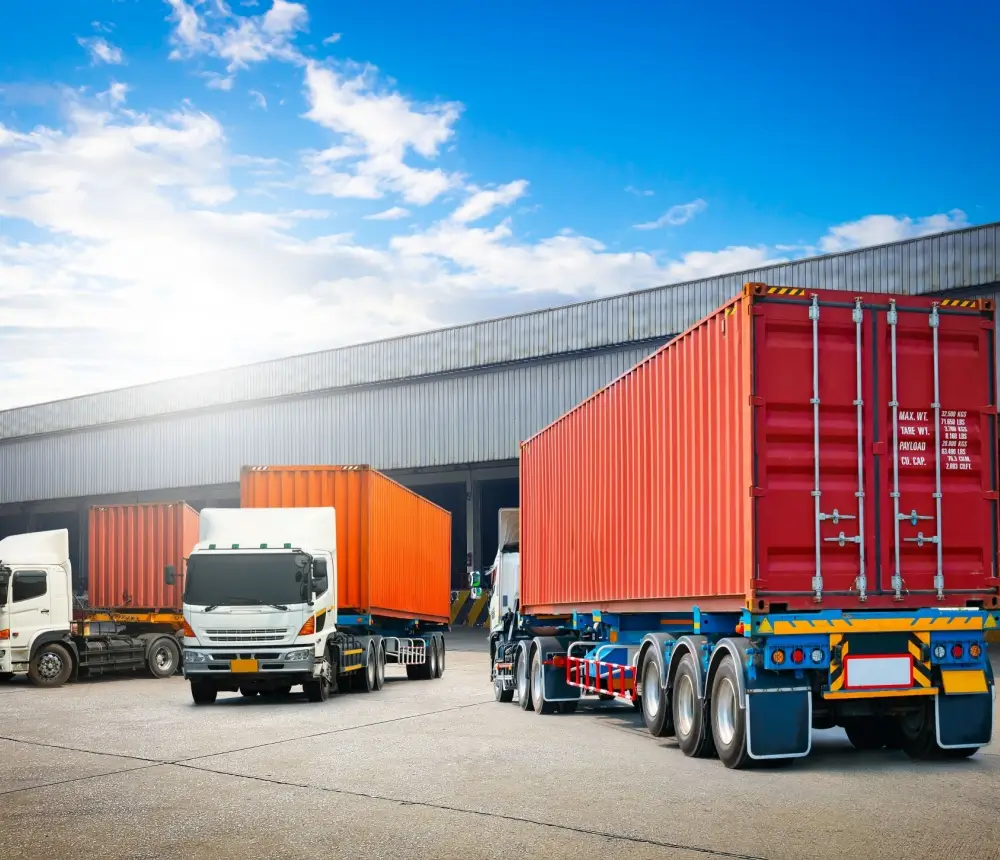
Rail & Road Transportation
- Use rail when transporting large volumes over long distances and emissions or safety are priorities. Rail transport is much faster and more reliable, and also least affected by weather conditions and traffic jams.
- Use road for local delivery, small shipments, time sensitive or door to door service. It can reach remote areas, carry both large and small shipments at economic costs, and adjust to different timeframes as per convenience.
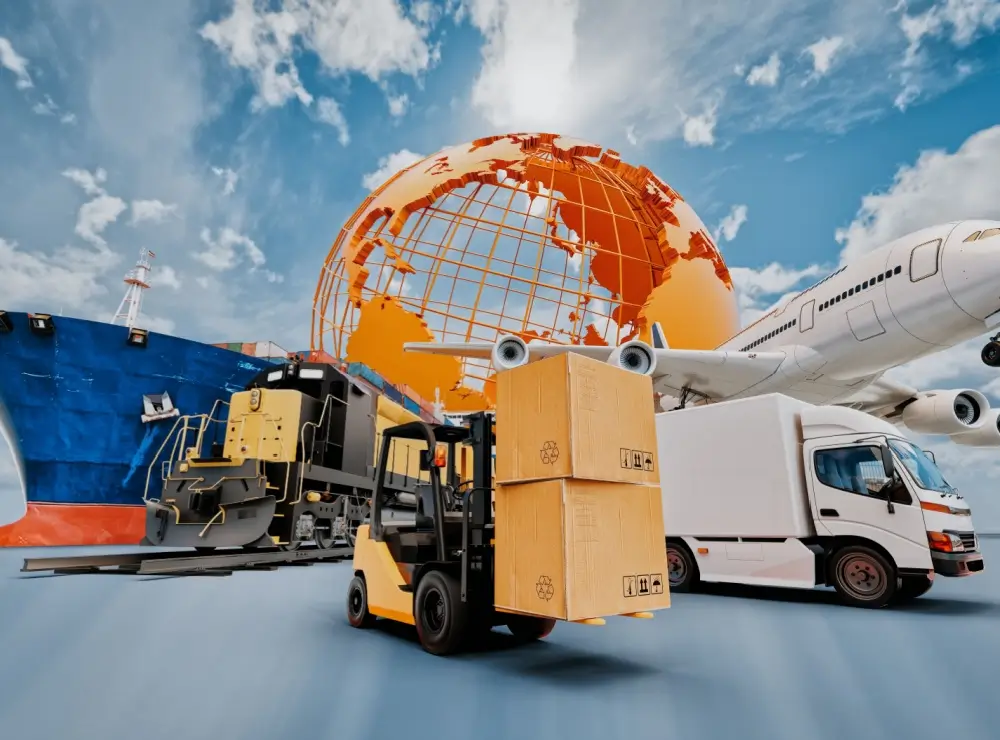
Together, rail and road transport provide a complementary, resilient, and scalable solution—forming the spine of efficient logistics networks.
Customs Brokerage Services
Customs brokerage refers to the professional service of facilitating the import and export of goods across international borders. Customs brokers act as intermediaries between businesses and customs authorities, managing tasks like tariff classification, duty calculation, and ensuring compliance with national trade laws to ensure smooth and timely border clearance.
Warehousing and Distribution Services
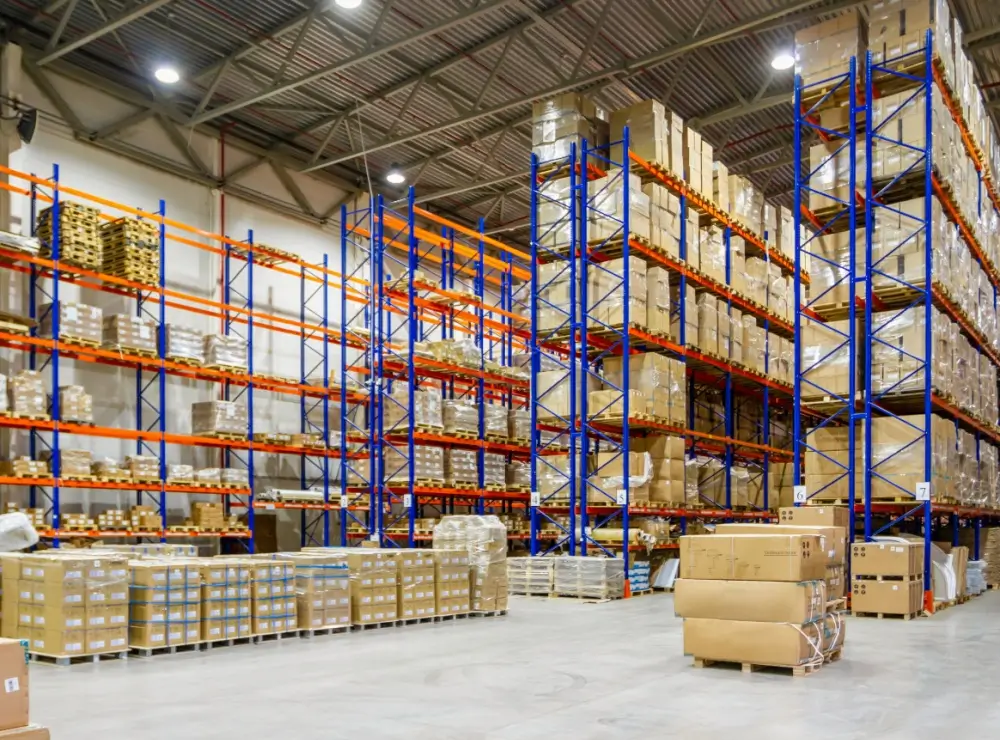
Warehousing and distribution are two key parts of the logistics industry. They help businesses store and move goods. This process makes sure products reach their destinations safely and on time. Warehousing and distribution services are fundamental to business success in today’s fast-paced market. By efficiently managing storage and transportation, companies can meet consumer demands, reduce costs, and stay competitive. Embracing these services is essential for any business looking to thrive in the logistics industry.
Project Logistics
Project logistics can be interpreted as the process of planning, coordination, and management of the transportation, storage, and distribution of goods, equipment, and materials required for a specific project. This can include the movement of items across different geographic locations, customs clearance, warehousing, and delivery to the project site.
Heavy-Lifts & Oversized Cargo
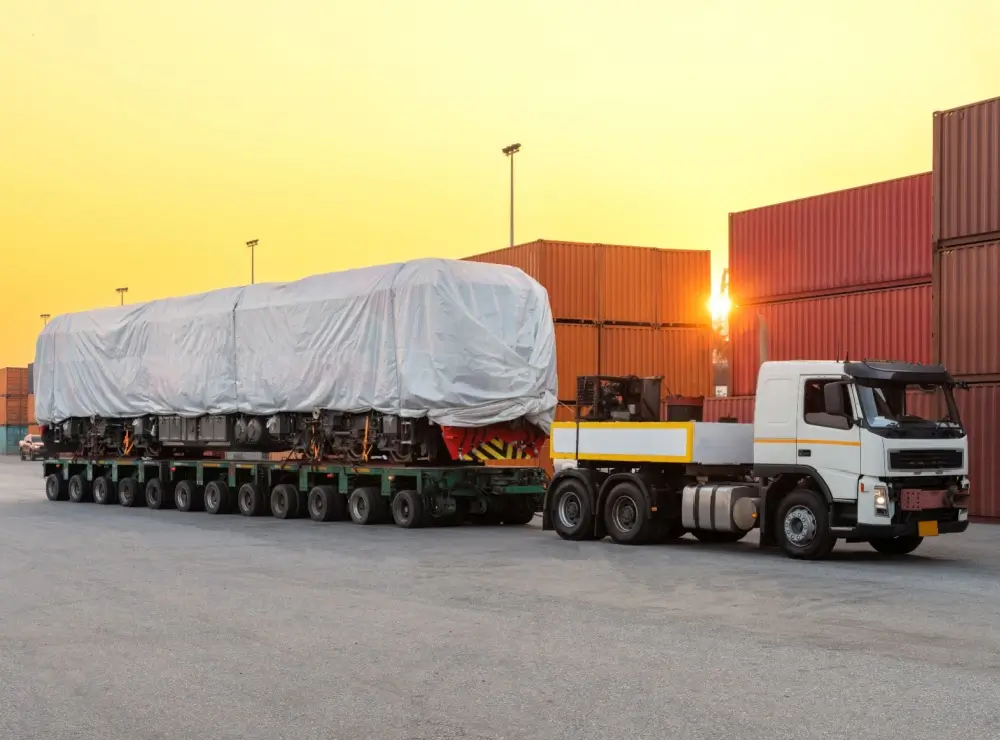
Oversized cargo, also known as heavy-lift or out-of-gauge (OOG) cargo, includes any items that exceed the legal size or weight limits for standard freight transportation. These limits vary by region and mode of transport, typically by rail, road, or sea. So, what’s the difference between OOG cargo and break bulk (BBK) shipments?
OOG cargo is often containerised, but in non-standard dry containers like open tops or flat racks. BBK, on the other hand, is typically shipped in break bulk form, meaning it is not contained within standard shipping containers